
The Role of Crisis Communication
When a crisis hits, emotions run high and the demand for information is immediate. Without a well rehearsed crisis communication plan, there’s a significant risk of mixed messages, awkward silences and confusion, ultimately resulting in long-term damage to your organisation’s credibility. A solid plan outlines who should speak, what needs to be said (and what doesn’t), and how communication is coordinated across all channels, whether that’s through press releases, social media updates, or live interviews.
However, a plan is only as good as its execution. That’s why scenario-based exercises are essential to train your team. At Evocatus, we take crisis communication training to the next level by immersing teams in simulated scenarios that develop their ability to respond under pressure. Whether it’s preparing spokespeople to face the media or coordinating internal communication across departments, our exercises ensure that your organisation is prepared to keep control of the narrative, wherever possible.
Rehearsals Build Confidence
Many organisations underestimate the importance of rehearsal when it comes to crisis communication. The reality is that even the best crisis communication plan can falter if team members aren’t comfortable speaking publicly or handling unexpected questions. At Evocatus, our training options includes media simulation and on-camera rehearsals, where team members can practice delivering key messages and dealing with challenging questions in front of cameras. Through performance coaching from our highly-experienced professional communicators, we can build confidence and ensure that leaders and spokespeople are well-prepared for the real thing. We can also help to find those naturals on your team with the talent and potential to advocate on your behalf in a crisis.
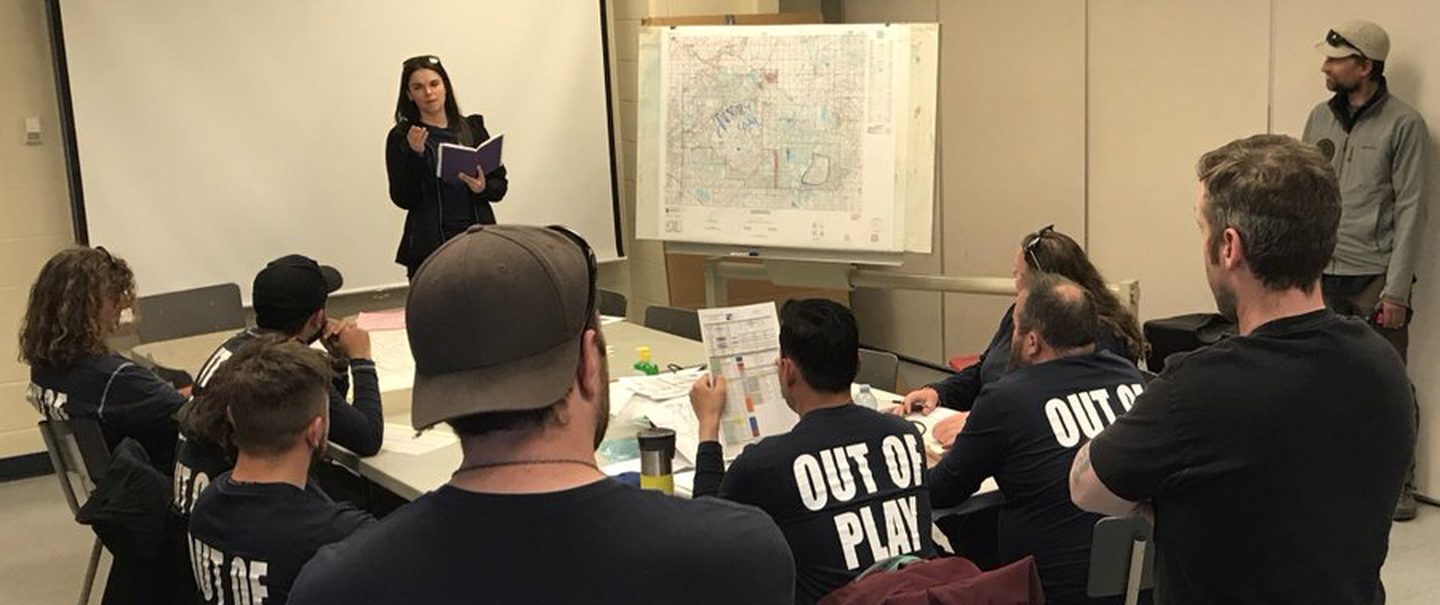
Our tabletop exercises go further by simulating crisis scenarios in a controlled environment. These exercises involve key decision-makers running through the steps they would take during a crisis, identifying potential dilemmas and refining their communication strategy. This approach provides an opportunity to pinpoint weaknesses in the plan and strengthen the organisation’s overall response.
Crisis Communication in Wider Contingency Planning
Crisis communication doesn’t operate in isolation; it’s a crucial component of broader contingency planning. When your organisation is in the middle of a crisis, having a prepared and rehearsed communication strategy helps keep stakeholders informed and reassured. But it’s also important that this communication aligns with the operational side of crisis management, keeping pace with a developing situation.
For example, during a supply chain disruption, it’s not enough to fix the operational issues. Your customers, partners, and investors also need to understand what happened, what’s being done to fix it, and how the organisation is preventing a recurrence. A well-rehearsed crisis communication plan allows the organisation to provide clear, consistent updates that maintain trust and ultimately improve your chances of retaining customers and your reputation.
At Evocatus, we integrate crisis communication training into broader crisis simulations. By integrating crisis communication coaching into broader business war games and tabletop exercises, we give your team a comprehensive understanding of how communication fits into the wider crisis management strategy. This integrated approach ensures that messaging is consistent, timely, and effective across all stakeholders and through the duration of an incident.
Anticipating What Could Go Wrong
One of the key benefits of this integrated crisis communication training is the ability to anticipate and rehearse for potential issues before they arise. Scenario-based exercises help you consider what could go wrong and how best to communicate in these situations. By exposing your team to worst-case scenarios, you allow them to experience the pressure and complexity of a crisis in a safe environment, preparing them to perform when it matters most. These business war games also act as a team building exercise, developing mutual understanding between those making operational decisions and those focused on managing stakeholders.
This proactive approach not only builds your team’s confidence but also improves your organisation’s resilience. You’ll be better equipped to work as one to communicate during a crisis, reassure stakeholders, and mitigate reputation damage.
Are You Ready?
Crisis Communication is not just about having a plan; it’s about practising and refining that plan so that when the unexpected happens, your team is prepared to act swiftly and confidently. Through our scenario-based tabletop exercises and full-scale rehearsals, Evocatus can help to ensure that your organisation is ready to communicate effectively during a crisis.
Don’t wait for a crisis to expose your vulnerabilities. Contact us today to learn how we could help your business build a resilient and confident communication strategy.