What Are Tabletop Exercises?
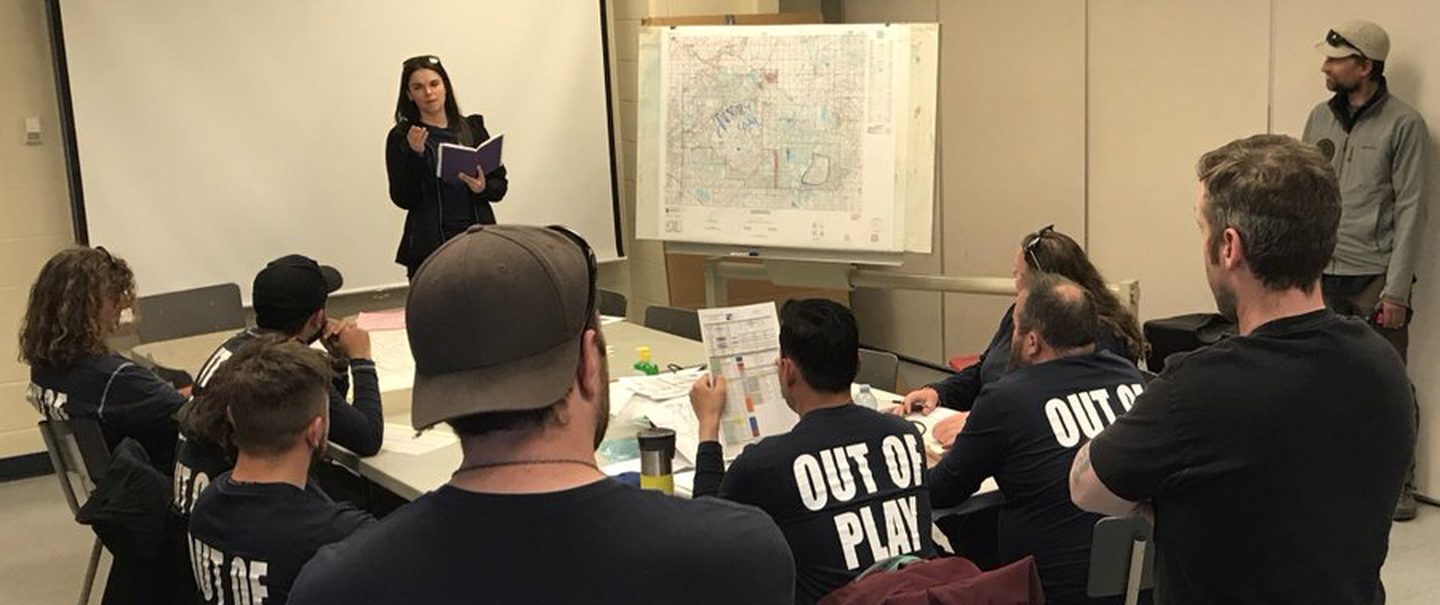
A tabletop exercise is a structured discussion built around a realistic scenario. A team works through it together, making decisions and testing the assumptions behind them. Nobody deploys anything; the work happens around a table, in conversation. That is the point. It rehearses the thinking a real event demands, without the cost or disruption of the event itself.
Why Organisations Need Tabletop Exercises
Faced with a training requirement, most organisations reach for a presentation. Slides have their place for passing on information. They are poor at surfacing hidden risk, generating new ideas, or building a shared picture across a team, because the audience sits and listens rather than decides.
Benefits of Tabletop Exercises vs Traditional Training
A tabletop exercise inverts that. Participants argue, choose, and live with the consequences. Risks that would stay buried in a lecture get named. Someone who never speaks up in a briefing has to take a position, and the team leaves with an understanding it built for itself.
Five tabletop exercise examples
1. Problem Scoping and Analysis
Before an organisation spends real time and budget on a problem, a tabletop exercise helps it scope that problem properly. Walk a team through credible scenarios and constraints and the real questions surface: what matters, where the information gaps sit, and which stakeholders the effort cannot succeed without.
2. Strategic Training That Creates Lasting Impact
Conventional strategic training puts people in seats. A tabletop exercise puts them in the decision-maker’s chair. They practise leadership under uncertainty, follow their choices into the second-order effects, and see the results while the stakes are still hypothetical.
3. Team Building and Psychological Safety
A well-designed exercise gives quieter people a way in. Small-group discussion, deliberate turn-taking, and decisions tracked in the open lower the cost of speaking up. Trust builds, and more views reach the table.
4. Communications and Contingency Planning
Cyber incident, supply chain disruption, whatever the scenario: a tabletop exercise stress-tests the communication plan and the contingency procedures behind it. We set out the thinking behind this in contingency planning with tabletop exercises. Who needs to know, when, and by which channel? Which approvals are necessary, and which just add delay? These get answered on the table, not during the crisis.
5. Strategic Planning Rehearsal
A tabletop exercise lets a team rehearse strategic options before committing real resources to them. That de-risks the larger investments and exposes trade-offs a planning deck tends to hide.
How to Run Effective Tabletop Exercises
Planning Phase
Discovery. Establish the organisation’s priorities, its principal risks, and who genuinely needs to be in the room.
Design. Build scenarios that hold up to scrutiny, seed them with decision points that matter, and tie each objective to the outcome it should produce.
Execution Phase
Delivery. Facilitate so everyone contributes, capture decisions as they are made, and leave with outputs people can refer back to.
Debrief. Turn the discussion into named actions, each with an owner and a realistic date.
Tabletop Exercise Best Practices
Session Duration and Structure
Most exercises run between 90 minutes and half a day. Ninety minutes suits problem-solving and team building. Complex strategy work or leadership development usually needs the full day.
Participant Selection
Bring in the operational leads, the people who will make the decisions, and whichever specialists the scenario needs: IT, communications, business continuity. The format carries every voice regardless of rank, so seniority stops setting the volume.
Expected Outcomes
Participants should leave with clearer priorities, contingency plans that have been tested rather than assumed, and a short list of next steps. Depending on the brief, that might also mean a sharper communication strategy, a more cohesive team, or a better-defined problem for the next project.
Common Questions About Tabletop Exercises
How do tabletop exercises differ from simulations? A simulation asks people to act; a tabletop exercise asks them to think and decide. That makes it cheaper to run and far less disruptive, while still putting the real decisions in front of the real people.
Can small businesses benefit from tabletop exercises? Yes. The format scales down cleanly, and a small team often gets as much from it as a large one, particularly around succession planning, crisis management, and strategic choices.
How often should organisations conduct tabletop exercises? For live risk areas, quarterly tends to work; for strategic planning, once a year. Set the rhythm against your own risk profile and business cycle rather than a fixed rule.
Getting Started with Tabletop Exercises
Start with the objective. Are you scoping a problem, training for strategy, building a team, or pressure-testing a contingency plan? The answer shapes what follows. From there, work with facilitators who can build scenarios around your industry and your real challenges rather than generic ones.
Done properly, a tabletop exercise moves a team from being talked at to working the decisions through itself, where a wrong call costs nothing. The value is in the design and facilitation: better decisions, a team that works together more easily, and risk management that has been tried rather than trusted.
Ready to Transform Your Team’s Decision-Making?
A tabletop exercise can sharpen how your organisation plans and manages risk. Book a free scoping conversation with our facilitators and we will design an exercise around your challenges, whether that is problem scoping, strategic training, team development, or contingency planning.
Contact us today for a detailed proposal covering exercise format, timeline, and fixed pricing, with no surprises.